
Seafood Processing
Design of processing plants for salmon, whitefish, pelagic fish and shellfish, both new plants and extensions of plants in production.
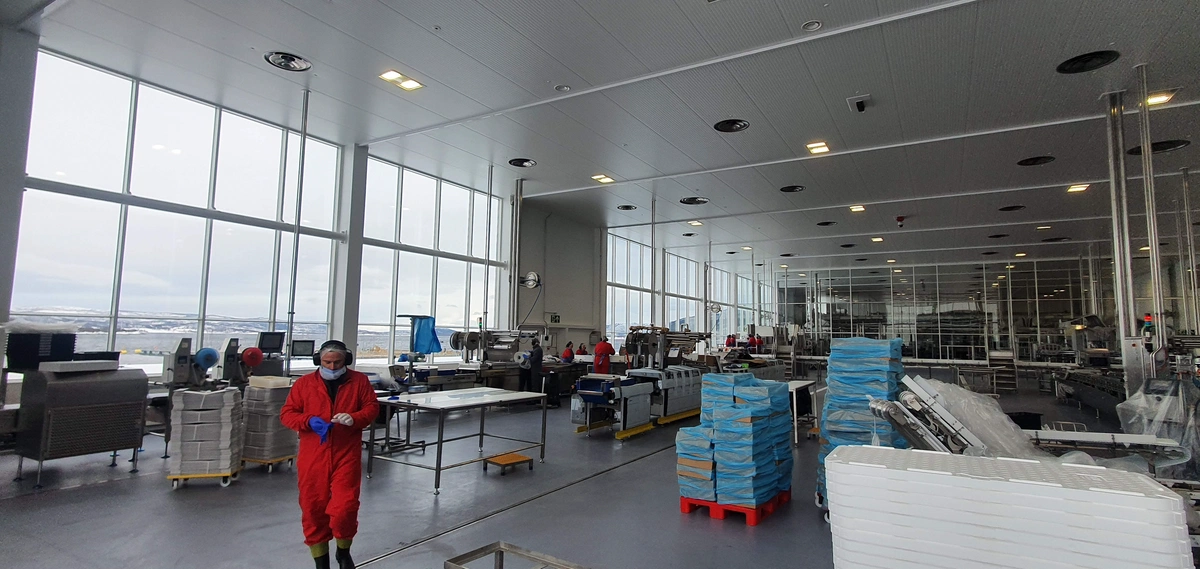
Seafood processing starts and ends with product flow. Receiving live fish, slaughter, filleting, freezing, packing, dispatch. The sequence is fixed, and the building has to follow it. Hygienic zones and the cold chain are not additions to the layout. They are the layout.
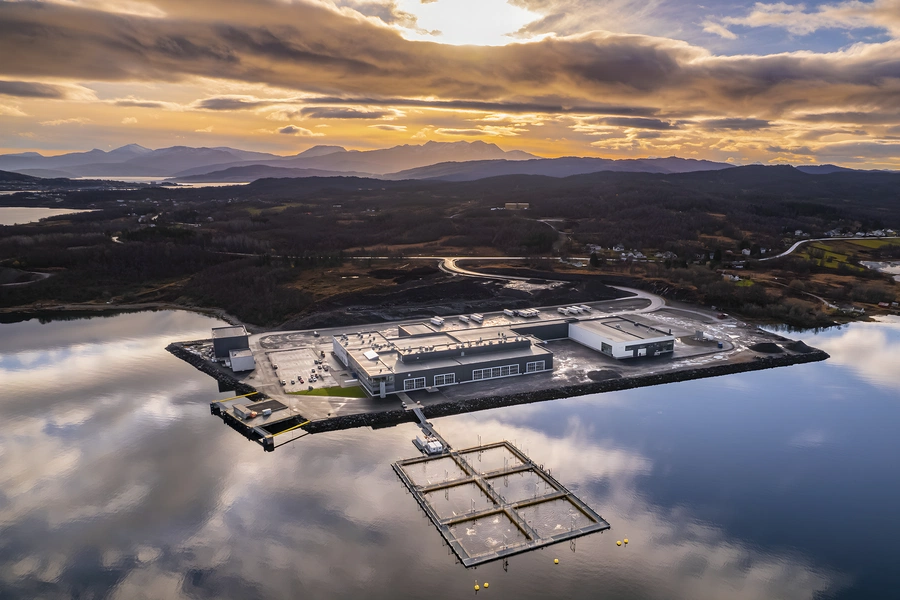
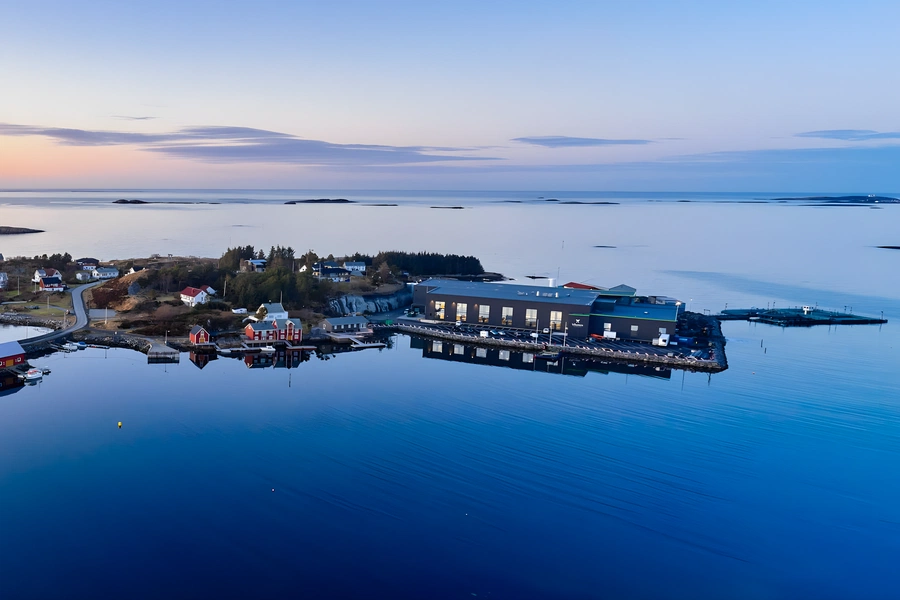
We design seafood facilities from compact regional processing plants to large, fully integrated plants with their own quay. Every layout starts with the production line: equipment positions, material flow and hygienic barriers are resolved before the building envelope is drawn.
Six decades of facility design give pattern recognition across species, capacity and export requirements. We know where hygienic zones break down in practice, where the cold chain is vulnerable, and which moves create capacity to grow into.
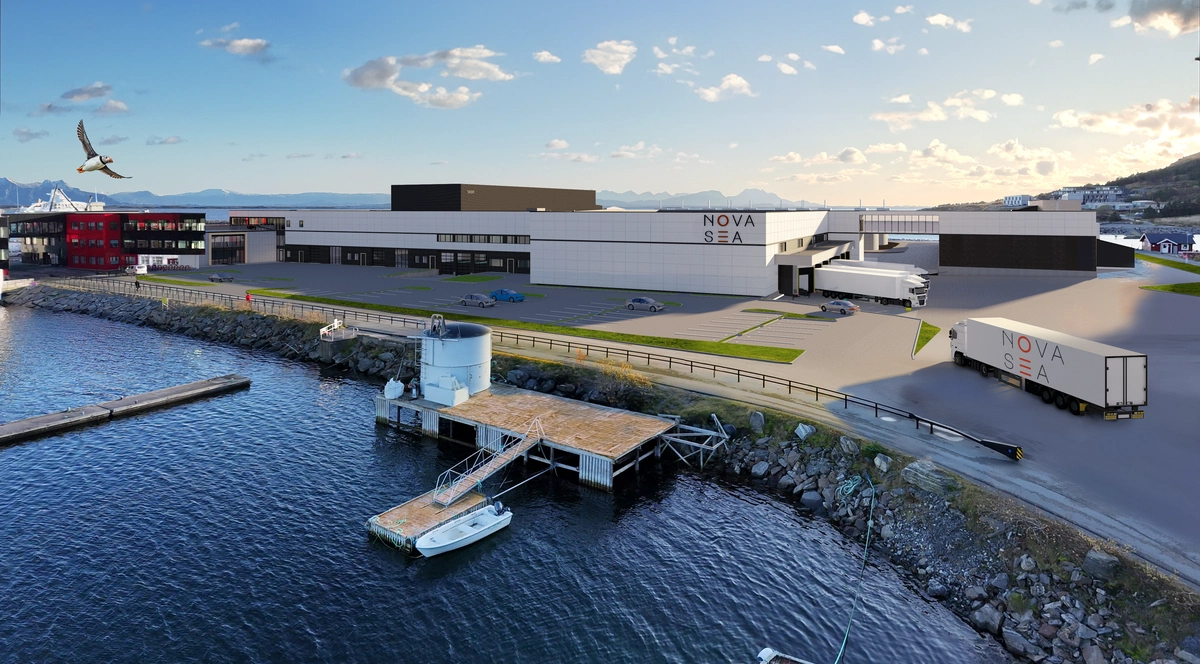
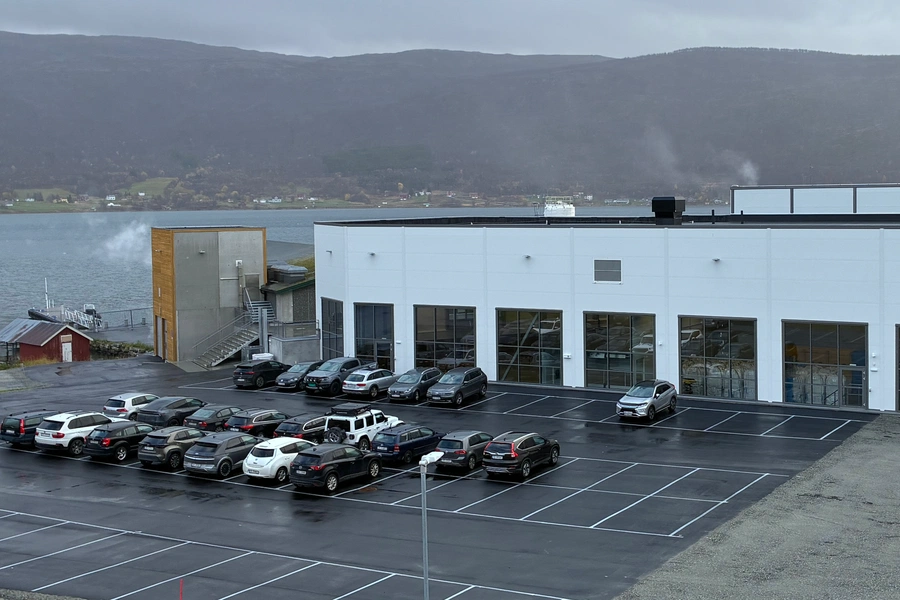
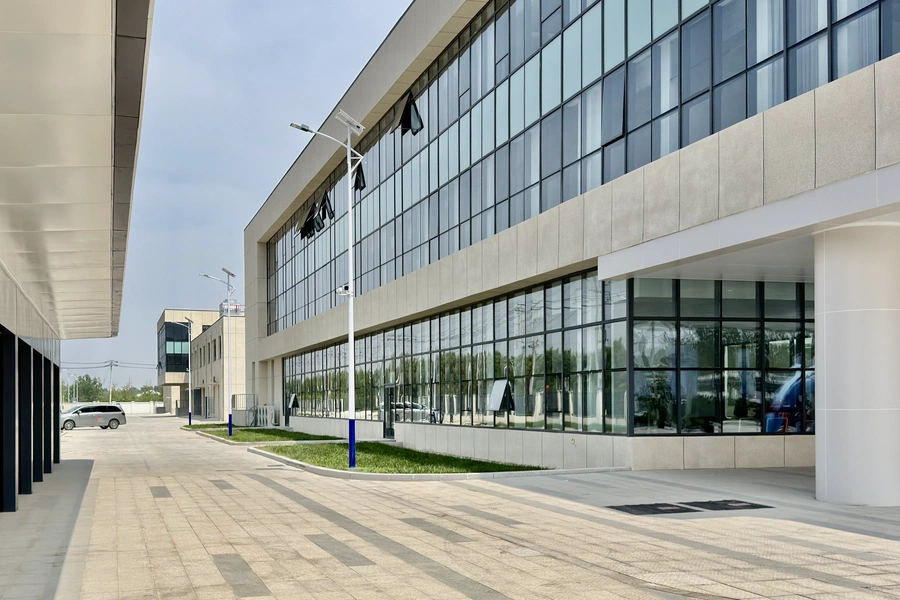
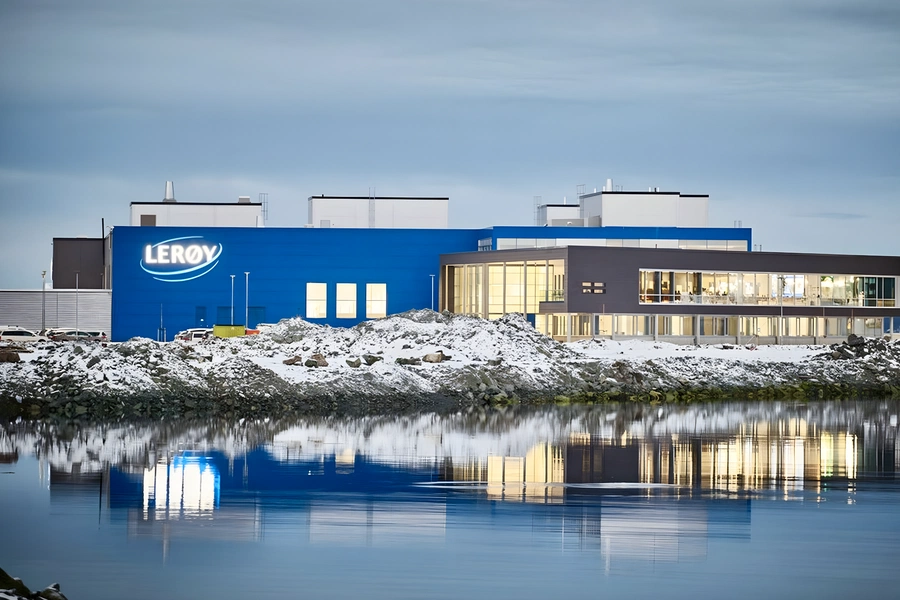
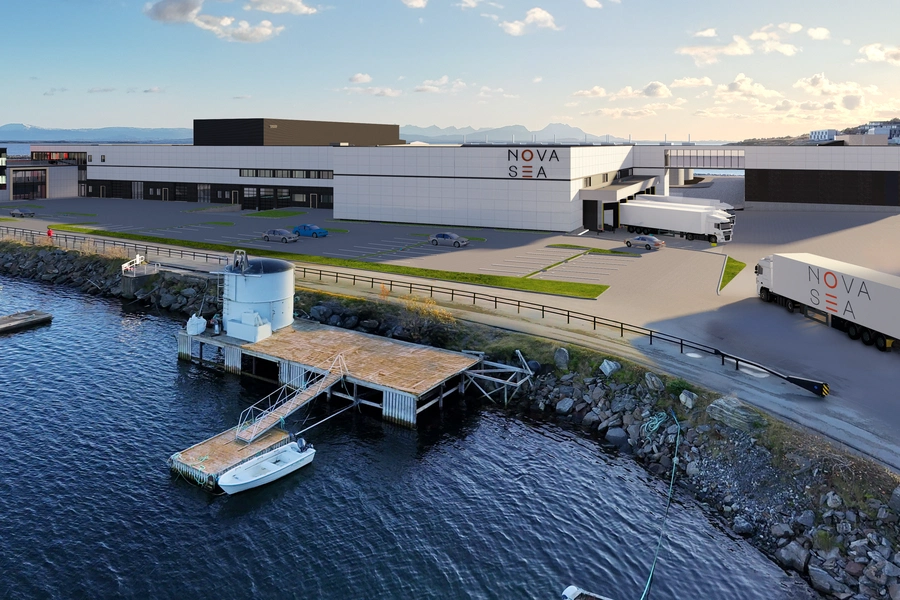
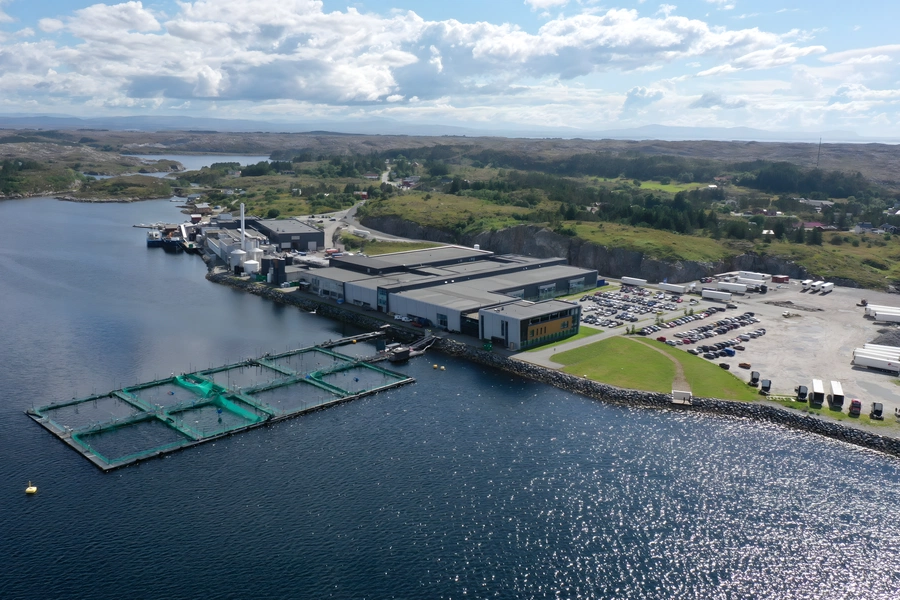
This is how the salmon processing plants PanChief Qingdao, InnovaMar at Frøya, Lerøy Hitra, InnovaNor at Senja and Nova Sea Lovund were designed, with machinery layout as part of our commission, on plants of up to 45,000 square metres.
A processing plant is a long-term investment where operational efficiency is decided at the drawing stage. The building is shaped by what the line needs to do.
The line sets the layout
The office plans the plant around the processing line, together with the process supplier. At Vikenco on Aukra, filleting, freezing, storage and loading are combined in one layout with room for more filleting lines. The plant was built in two stages, completed in 2021 and 2022.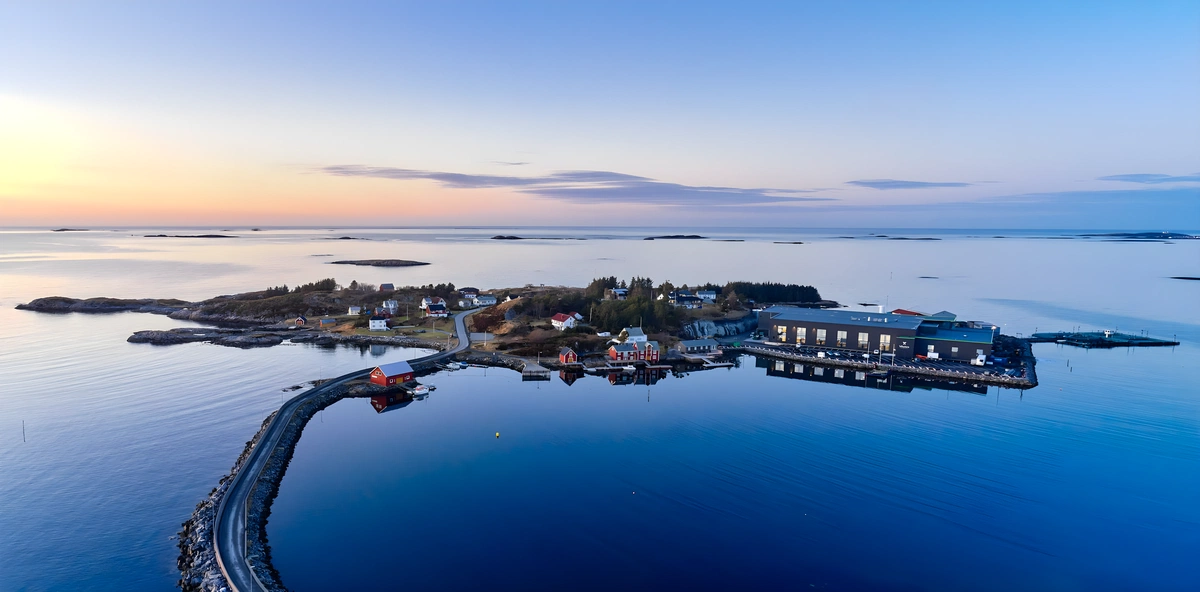
Service routes above production
Pipes, ducts and cables run on a technical floor above production, so the production floor stays clear for washdown. At InnovaNor on Senja, a 17,000 m² plant for SalMar completed in 2021, a technical mezzanine carries the service routes above the filleting line.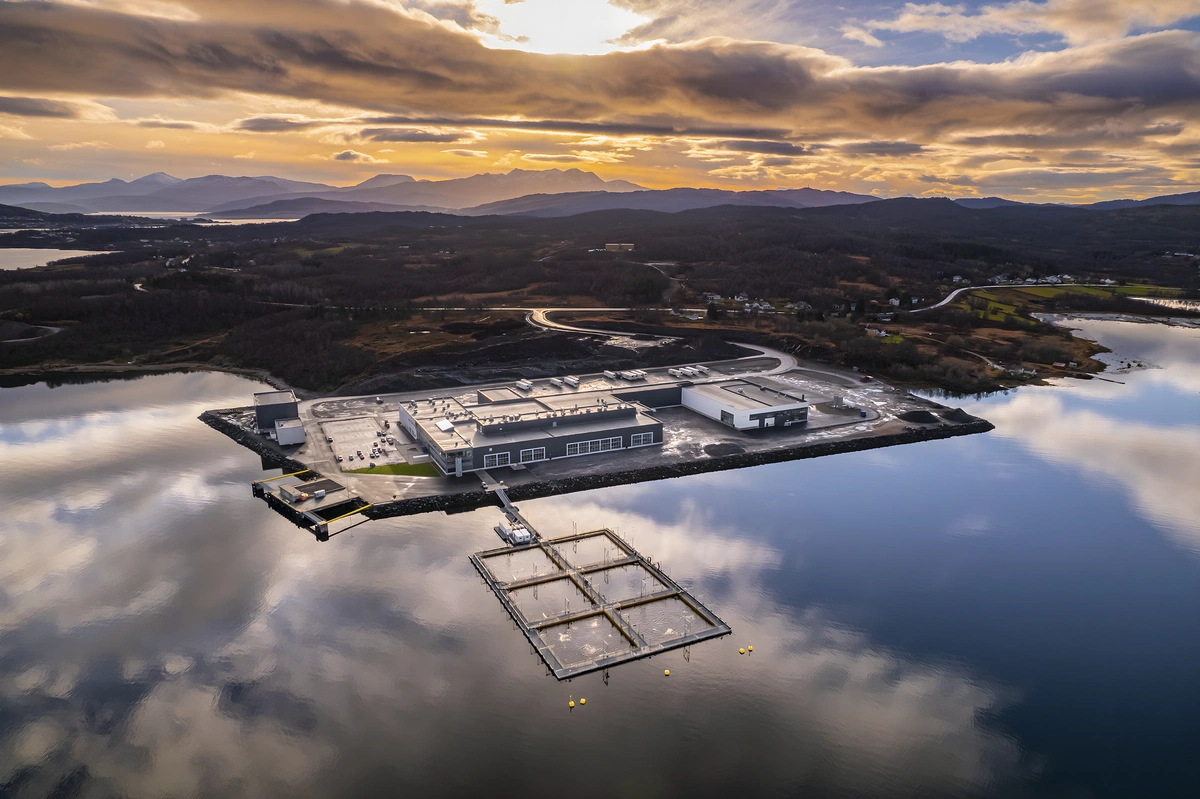
Extensions joined to the existing flow
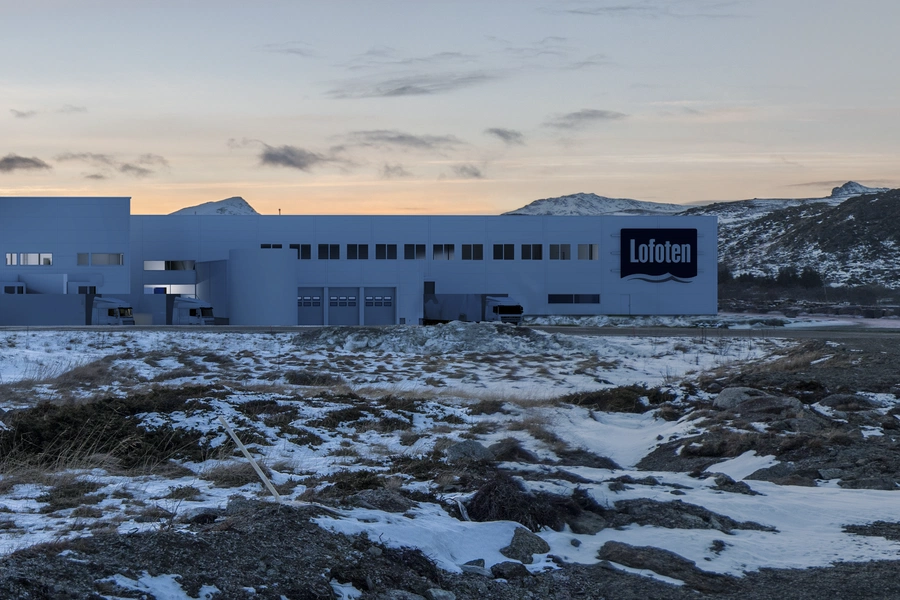
Extensions are joined to the existing plant so goods and staff follow one continuous flow. At Lofotprodukt in Leknes, an extension of about 7,000 m² was built in 2018 and 2019, and the original building from 2010 was rebuilt in the same project. The plant has six hygiene zones.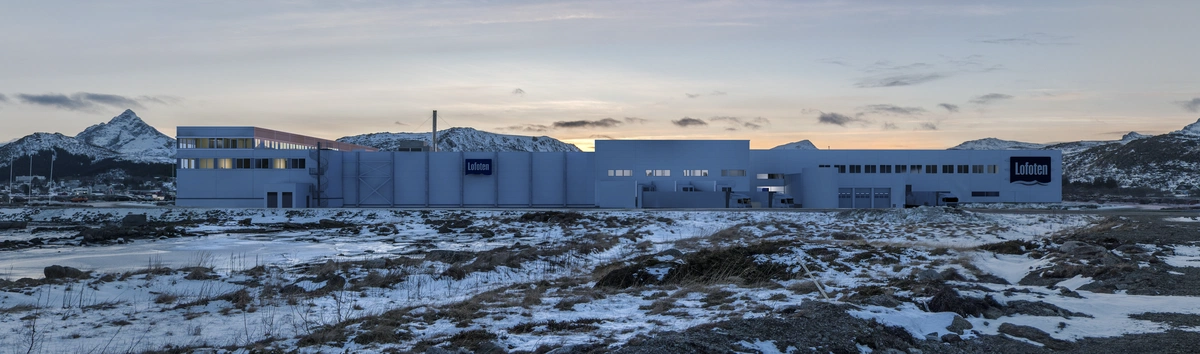
Plants for the same clients over two decades
The office has designed salmon plants for SalMar since 2005, beginning with InnovaMar on Frøya. For Lerøy, the office designed facilities completed in 2013, 2019 and 2022. Nova Sea on Lovund, an 18,000 m² processing and filleting plant, entered production in 2026.