
Research Facilities
Engine, structural and process laboratories and research campus buildings for independent research institutions. Each is organised around test equipment, safety zoning and phased expansion.
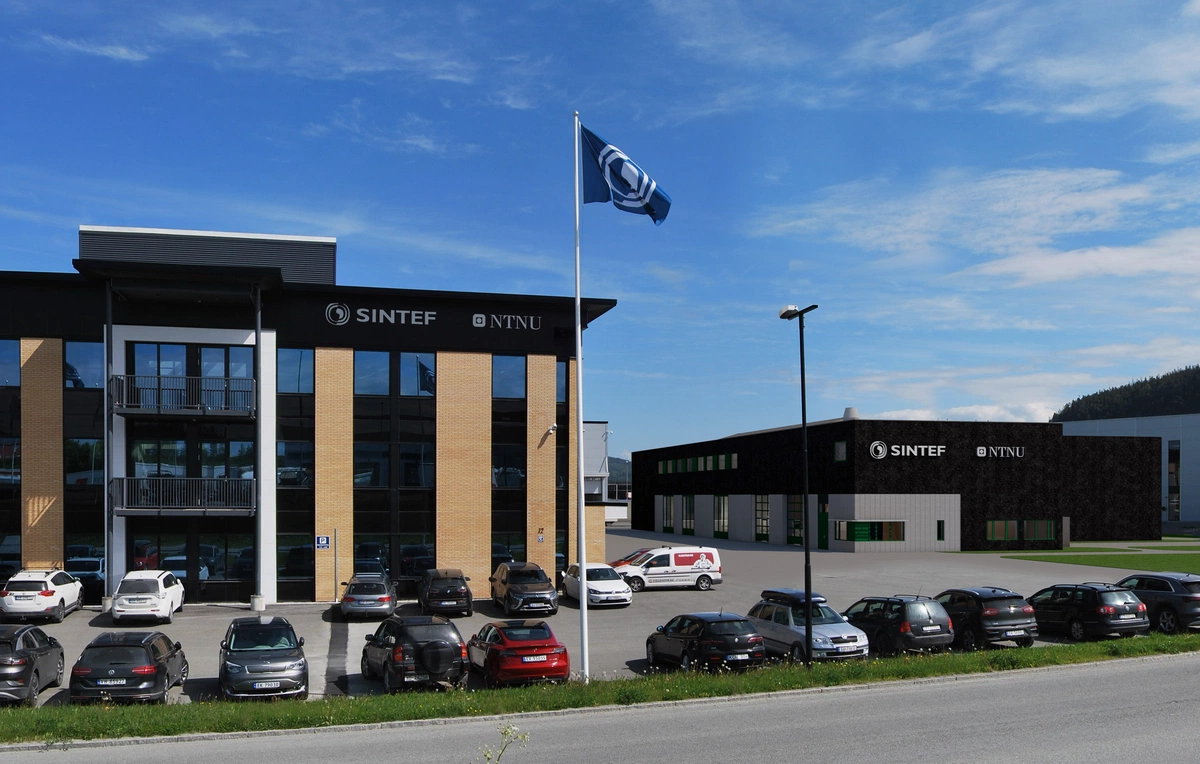
Independent research institutions test equipment and materials before they reach production scale. The building has to serve instruments and safety requirements that shift with every research programme.
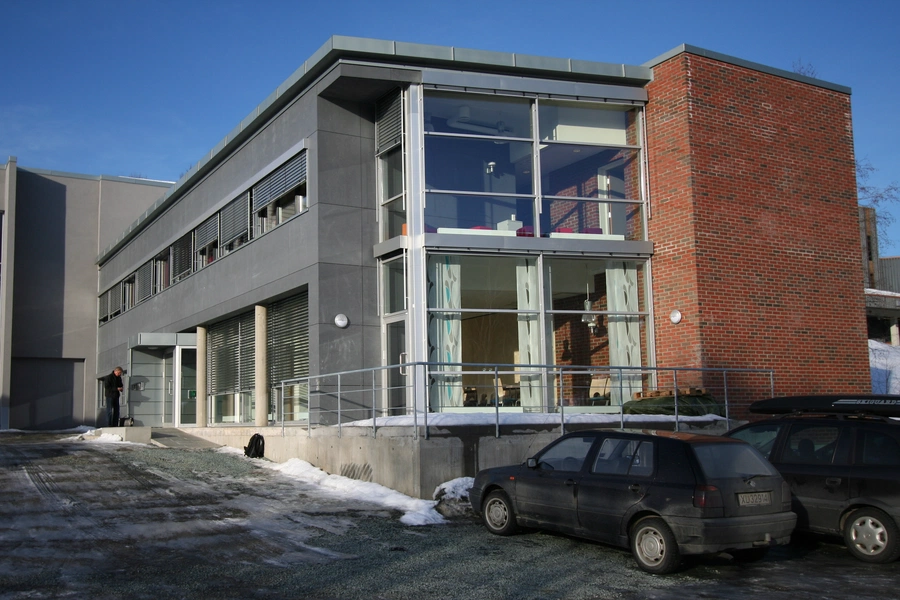
Since 2009, the office has designed laboratory and research buildings in Trondheim for SINTEF, the independent Norwegian research organisation. It also delivered a national engineering research complex in Portugal. Zoning for personnel safety, integration of specialised technical services, and the capacity to expand one test programme without disrupting another, carry across every laboratory scale.
Engine and structural laboratories
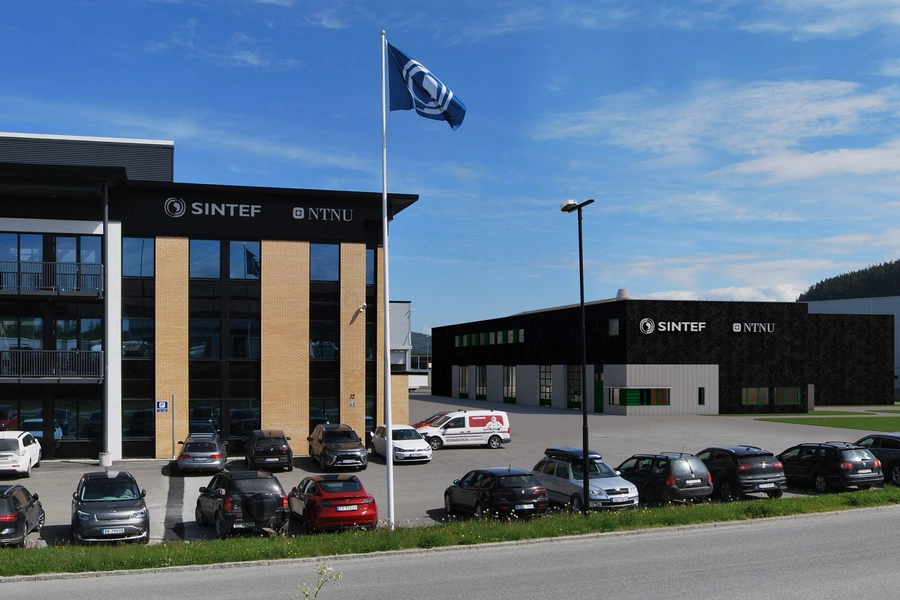
The office designs the laboratories in full, including the feasibility study and the construction documentation. SINTEF Torgård in Trondheim was delivered for SINTEF and NTNU, the Norwegian University of Science and Technology, between 2021 and 2025. An engine laboratory tests alternative fuels and emerging technologies, with personnel safety at the centre of the layout. An adjoining workshop hall was converted into a structural laboratory for testing large elements.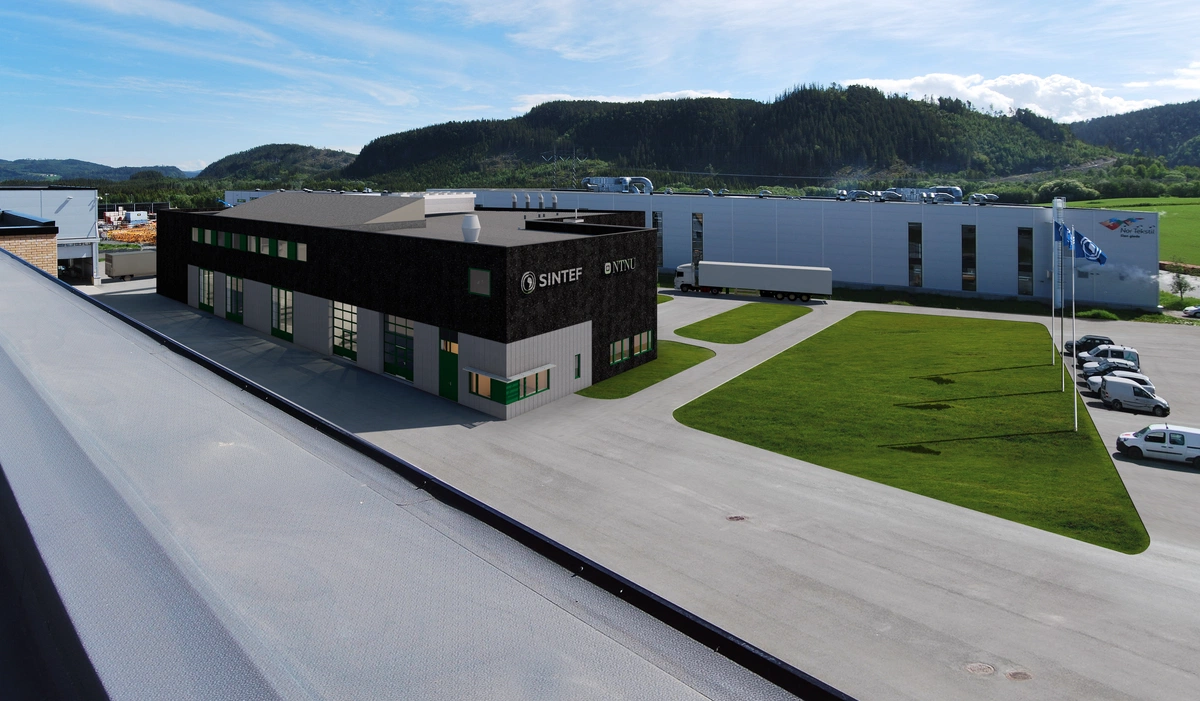
Laboratories that change with the research
A test facility changes its equipment and its research programme more often than a production line changes its process. The building has to absorb that change without a rebuild. Service integration, expandable floor plans and zoning between test cells and social areas keep a laboratory usable as its programme develops.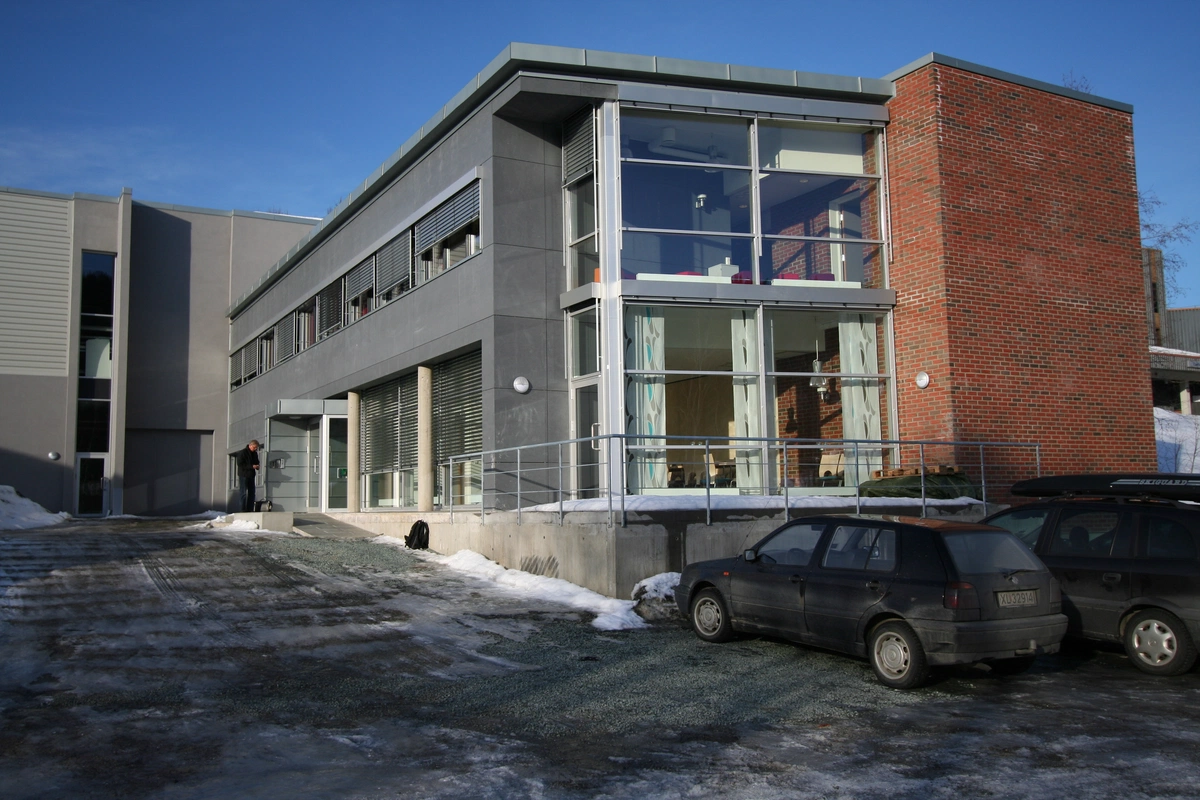
International research infrastructure
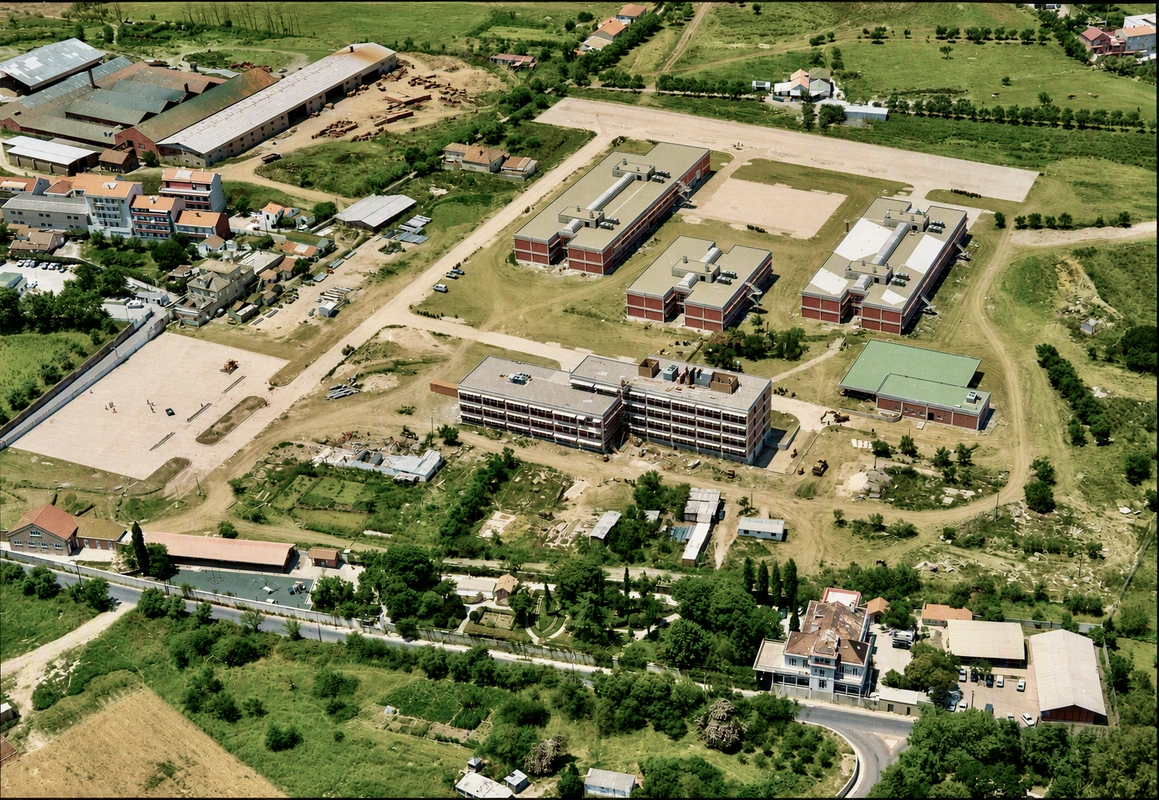
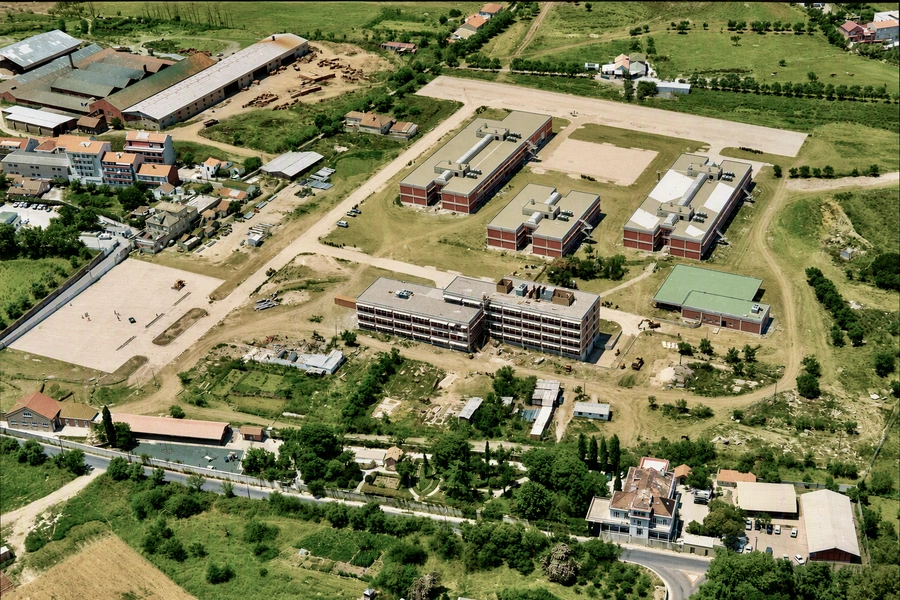
The National Laboratory of Engineering and Industrial Technology (LNETI) in Paço do Lumiar, Lisbon, Portugal, was delivered as a Portuguese-Norwegian government cooperation project. The complex was contracted under a bilateral agreement signed in Oslo in 1980.