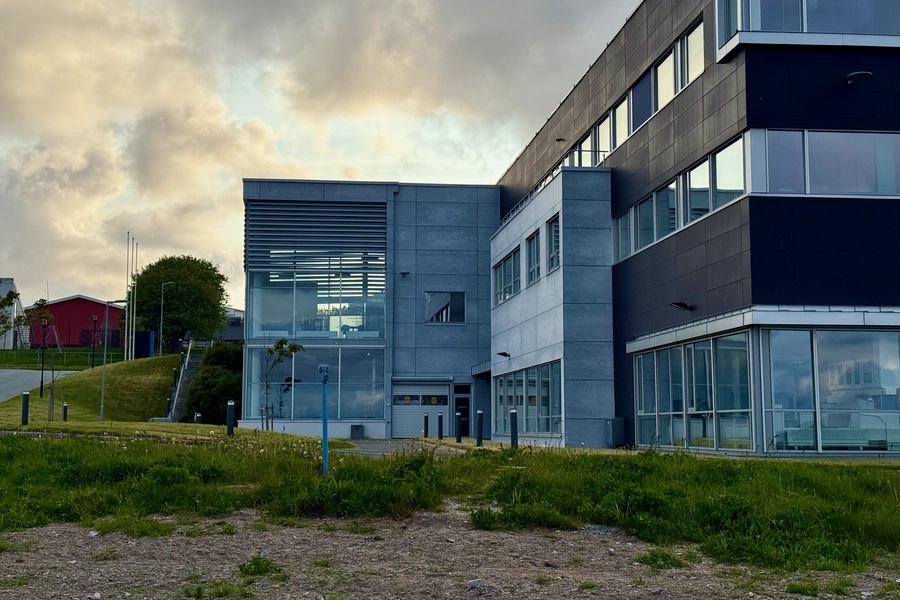

Aquaculture & Hatchery
Design of land-based hatcheries, smolt and post-smolt facilities and recirculating aquaculture systems, both new facilities and stages on sites in operation.
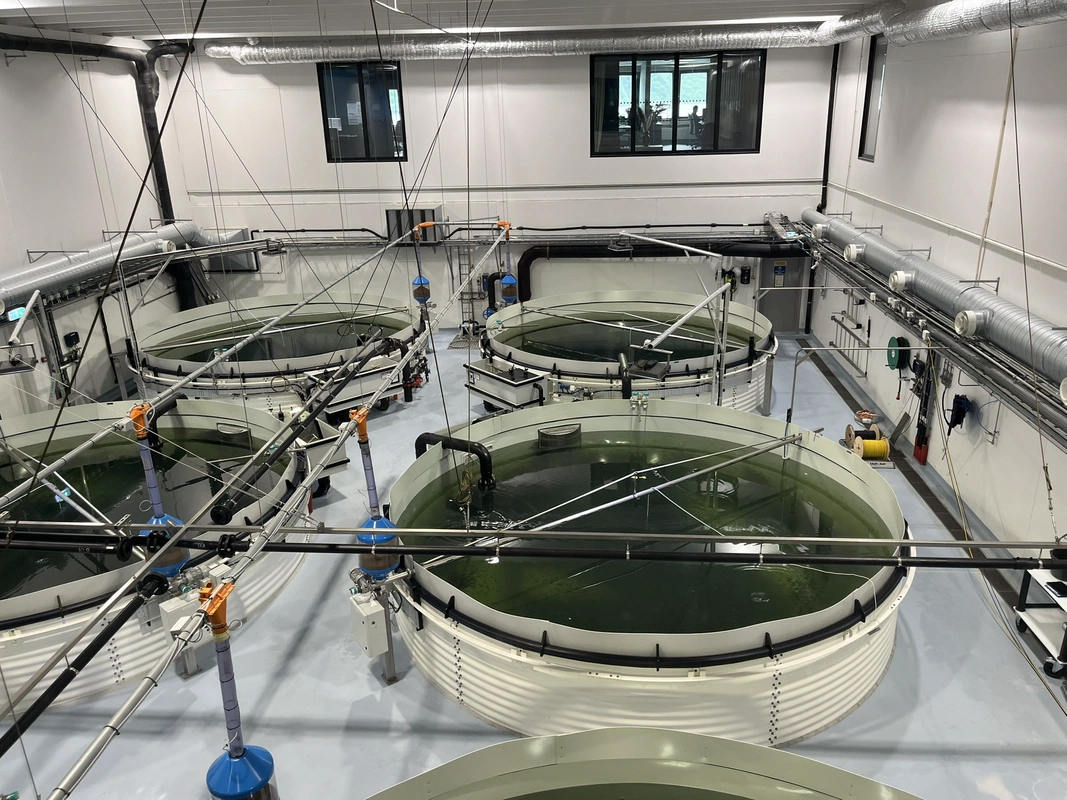
Land-based aquaculture is capital intensive and operationally complex. Water treatment, biosecurity and environmental control are not systems added after the building is drawn. They are the primary drivers from day one.
We design aquaculture facilities from compact coastal hatcheries to large inland RAS installations. Phased expansions add new production stages to operating sites without breaking biological continuity; structural grids, pipe corridors and water treatment are sized for the next stage from the start.
New smolt and post-smolt facilities combine production flexibility, biosecurity zoning and serviceability across species and delivery windows. Innovation and education centres bring industry, research and training together under one roof.
Three of Norway’s largest smolt facilities were designed here: SalMar Tjuin at 17,000 square metres, described as the world’s largest at construction start, NRS Dåfjord at 15,800 square metres, and Lerøy Belsvik, with 14 million smolt a year and 98 per cent water recirculation.
Serviceability, biosecurity isolation and staged capacity growth are resolved at the drawing stage, not as afterthoughts. In land-based projects, building and process are usually separate contracts. Our role is to hold them together: the layout is drawn around tank halls and water treatment, and carried through permitting to a finished, operating facility.
Departments as biosecurity zones
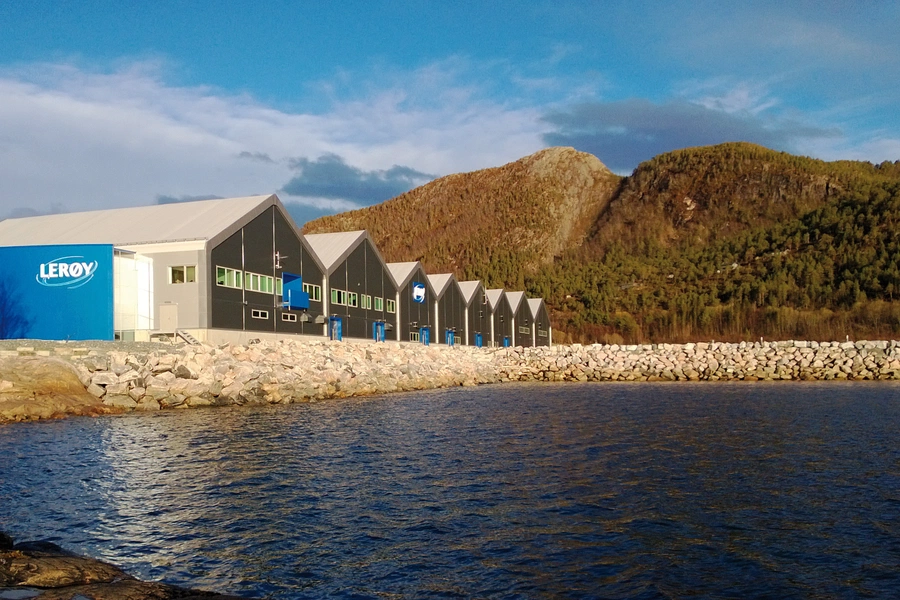
The office divides the facility into production departments, each its own biosecurity zone. At Lerøy Belsvik, a RAS hatchery of about 10,500 m² and the largest of the company’s five hatcheries, production is divided into departments for hatching, start feeding, growth, pre-smolt and smolt.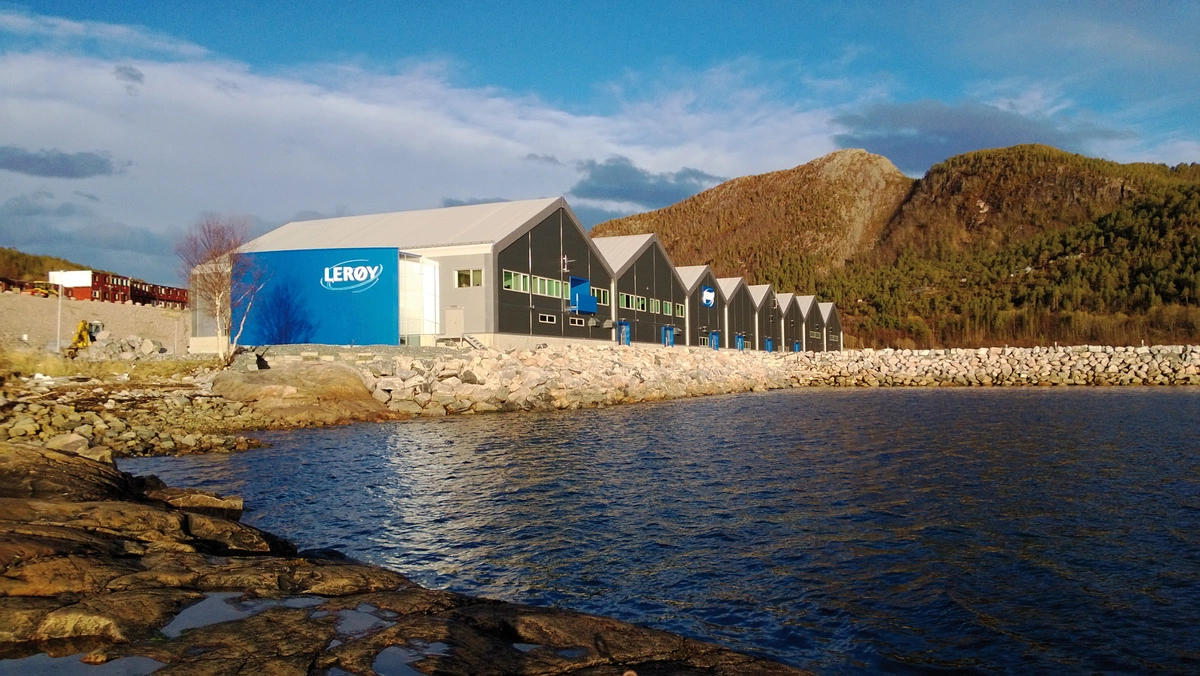
Water treatment and service access
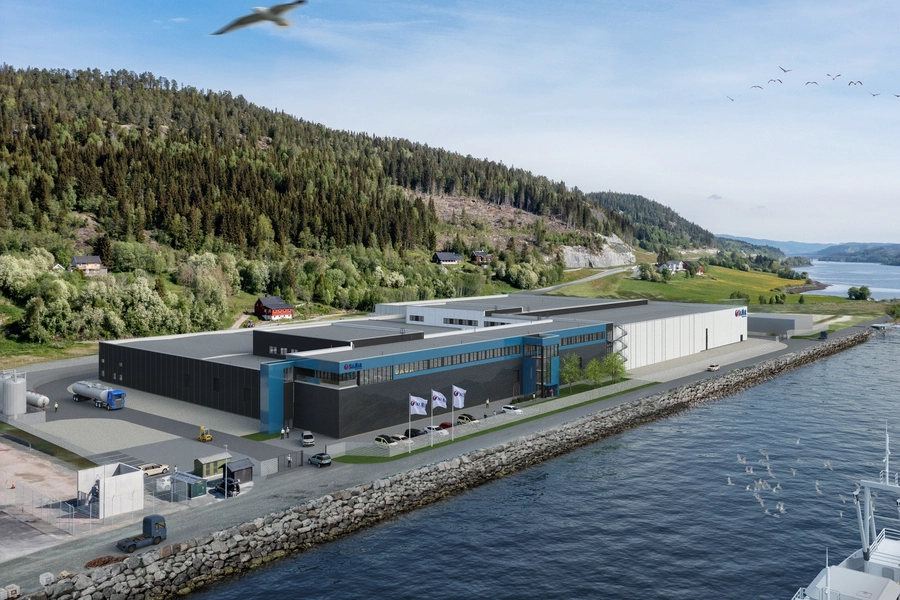
Technical rooms and pipe corridors are placed so the water treatment can be maintained during production. At SalMar Tjuin in Steinkjer, a 17,000 m² RAS smolt facility completed in 2023, the layout gives a continuous flow between fish stages and accessible technical rooms.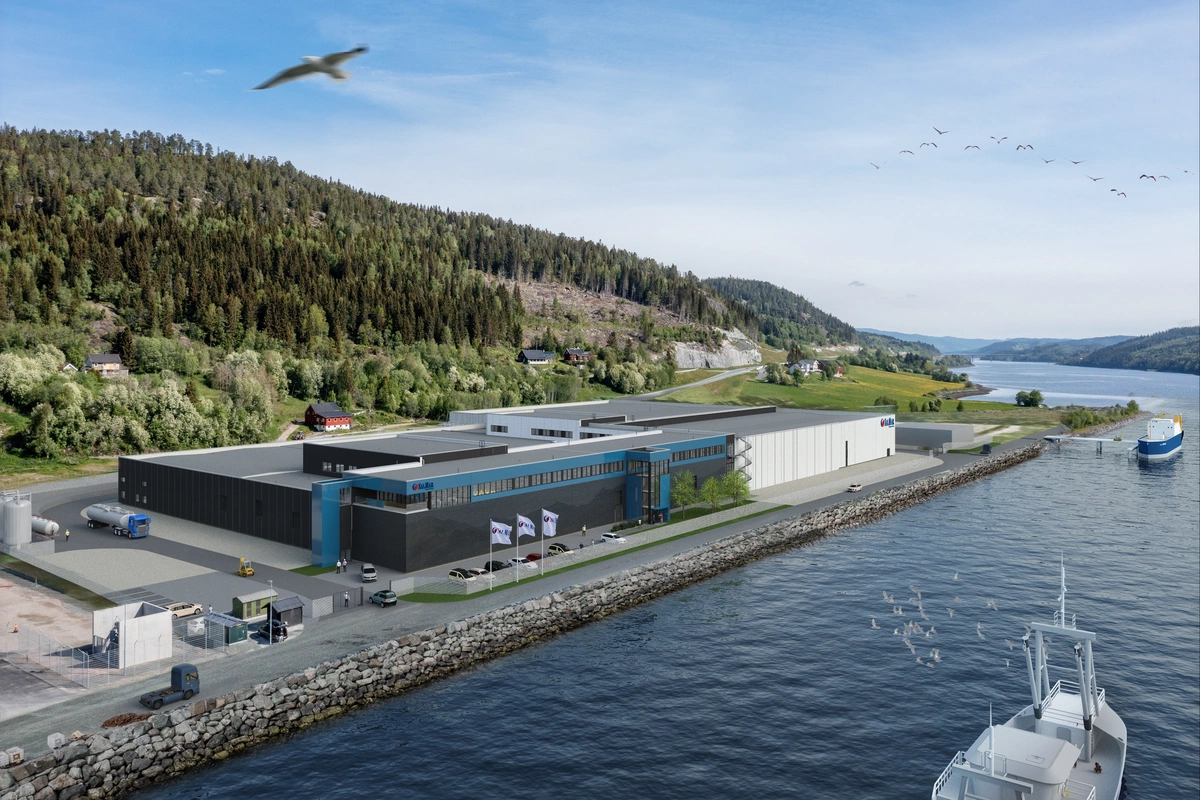
Capacity added in phases
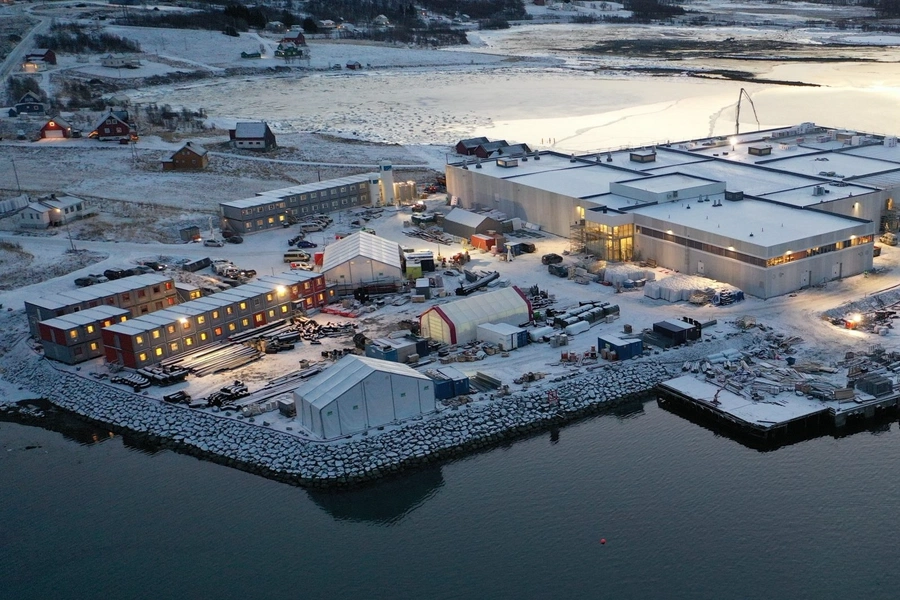
Structure, pipe routes and power supply are sized for production halls still to come. The smolt facility at Dåfjord in Troms, 15,800 m² and completed in 2023, is designed for phased growth, so output can follow changing requirements for smolt size, quantity and delivery time.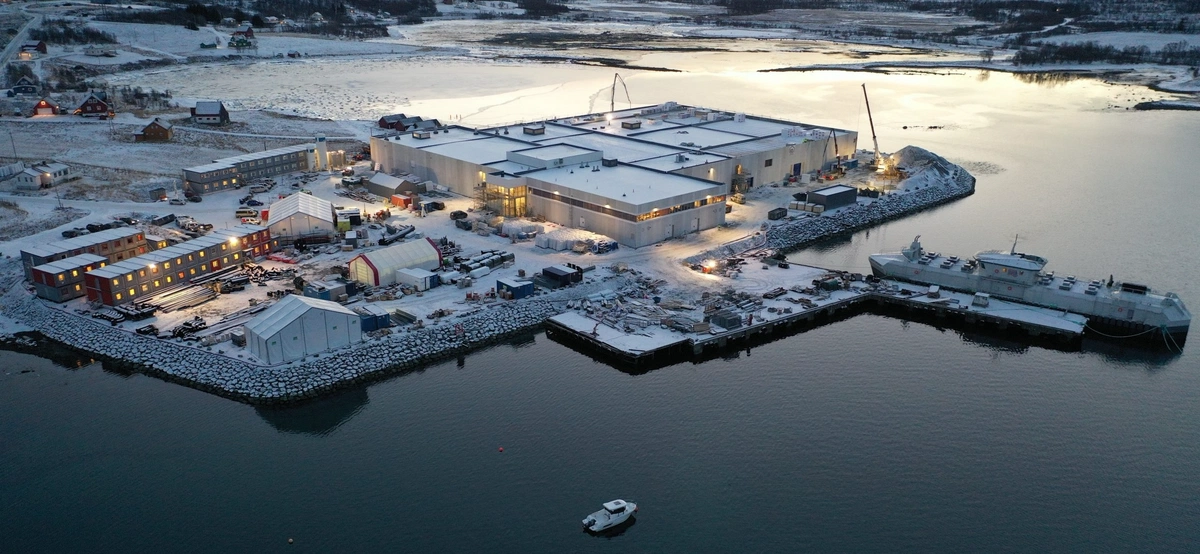
Hatcheries for SalMar and Lerøy
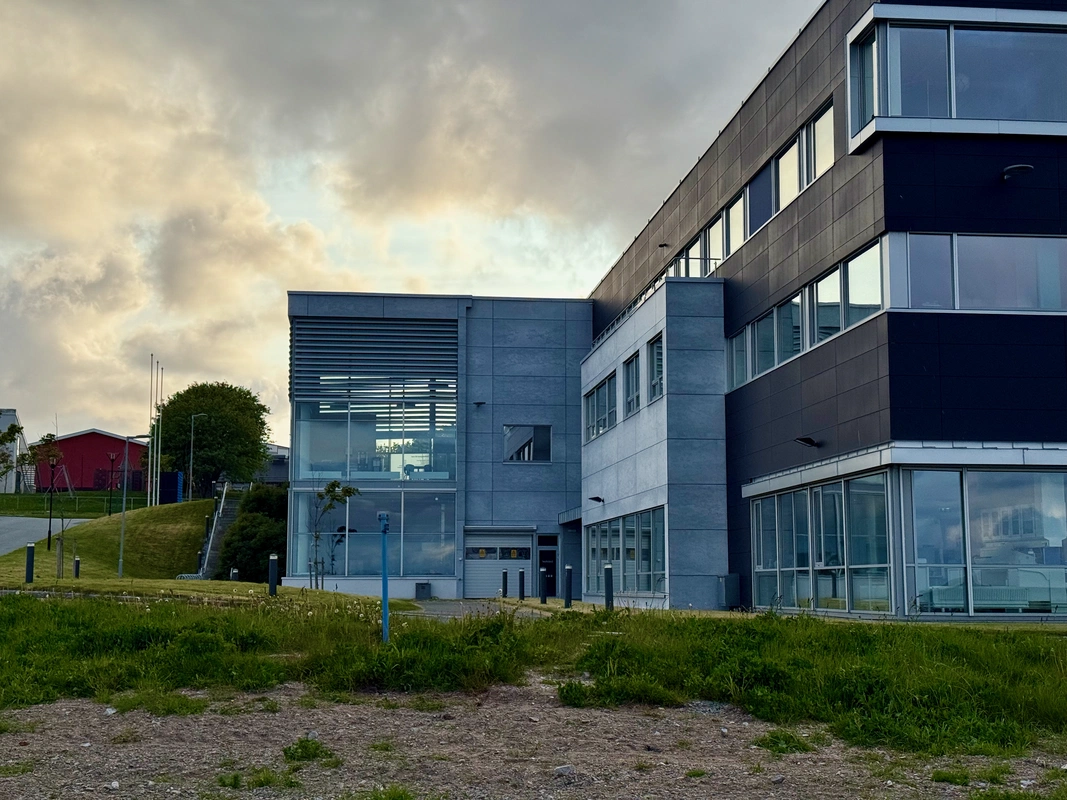
Hatcheries and smolt facilities designed by the office for Lerøy, SalMar and Norway Royal Salmon were completed in 2013, 2022 and 2023. On Frøya, the office also designed Blått, an aquaculture innovation centre for NTNU, Trøndelag County and the industry, built in 2018 and 2019.